

01 / A clearer starting point
I help product teams work out what complex products should do.
When business rules, exceptions, dependencies, or handoffs make a product difficult to define, I help make the behavior clear enough to decide, design, test, and build.
- 10M+
- Users on the banking platform
- 100+ → 25
- Legacy ERP screens consolidated
- 120+
- Reusable interface components
What happens next?
Action → Conditions → OutcomeSituations
When the product is moving, but the decisions behind it are not clear.
I am most useful when rules, responsibilities, and recovery paths are spread across people, tools, and tickets—and the team no longer has a shared definition of what happens next.
Rules have outgrown the interface
Permissions, state changes, policy, and edge cases live across documentation, systems, and people. The interface alone can no longer explain what the product does.
Work crosses too many boundaries
Handoffs between teams, vendors, and systems determine the experience, but the decision points between them are still implied rather than designed.
Automation changes the decision
With AI or automation, teams need to define when a system may act, when someone must review or change the outcome, and how exceptions get resolved.
Selected work
Work where the details shaped the product.
Each project began with an interface problem, but the consequential work was in the rules, constraints, and decisions that had to be made clear before a team could move forward.
U.S. Online Banking
Led UX architecture for a high-stakes enrollment initiative, mapping states and edge cases across legacy constraints and compliance to align eight teams on a buildable design.
Read case study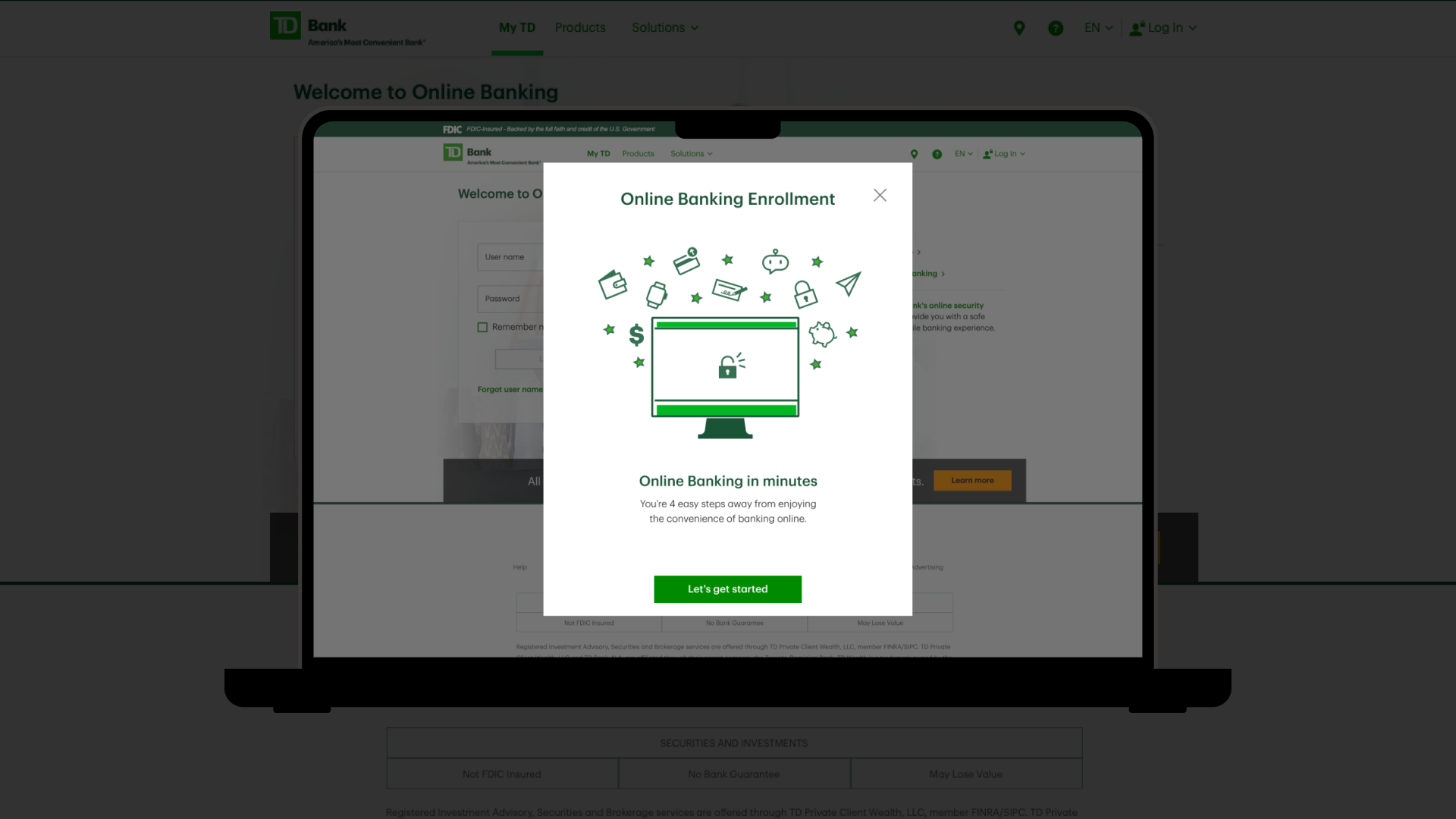
Investor Onboarding
Restructured a compliance-heavy onboarding experience around clearer user decisions and progressive disclosure, without exposing the underlying KYC complexity to the customer.
Read case study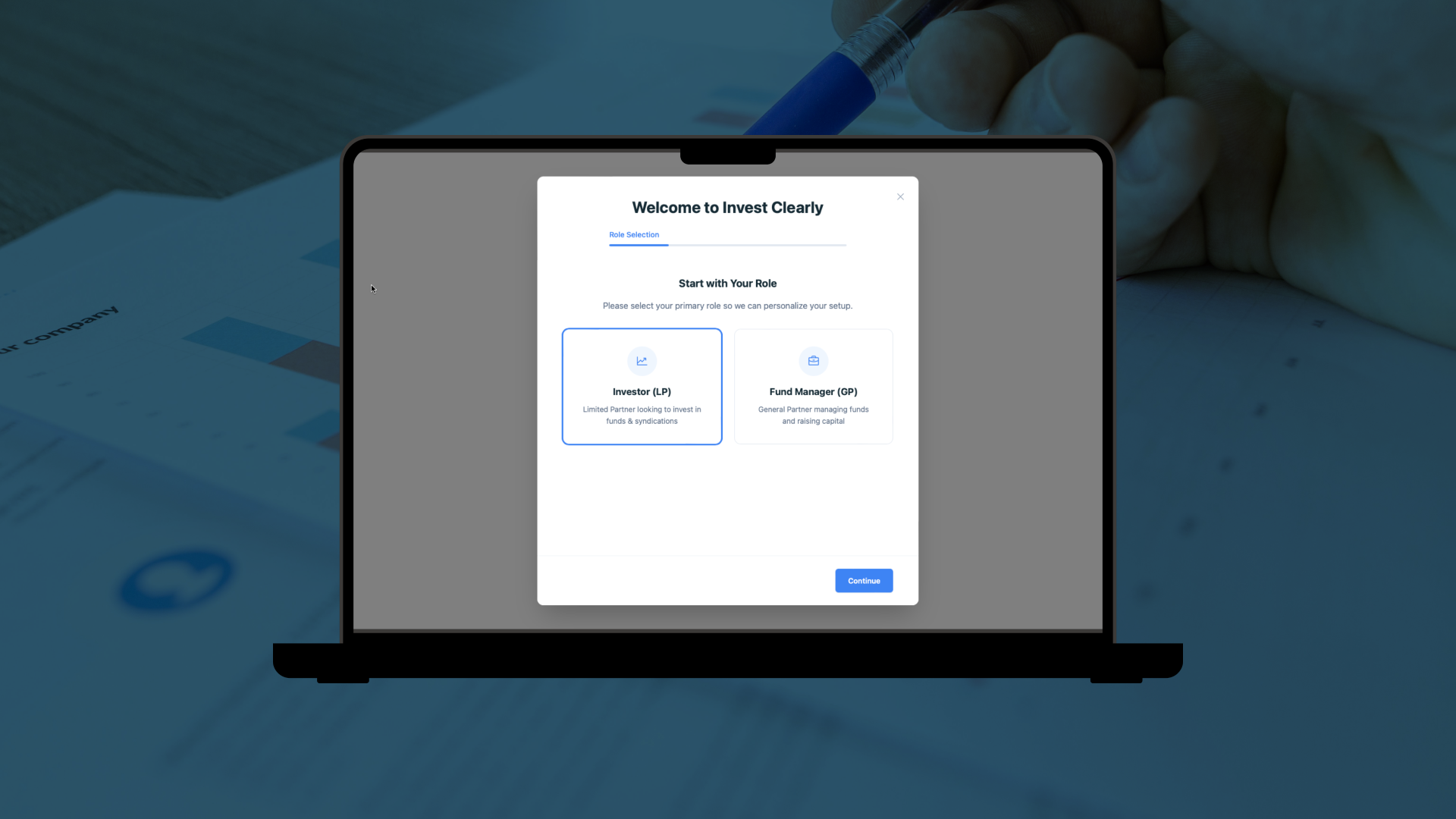
Voice to Structured Action
Defined the interaction model and prompt-state logic for a voice-first AI workflow, then designed and deployed the working product in under 72 hours.
Read case study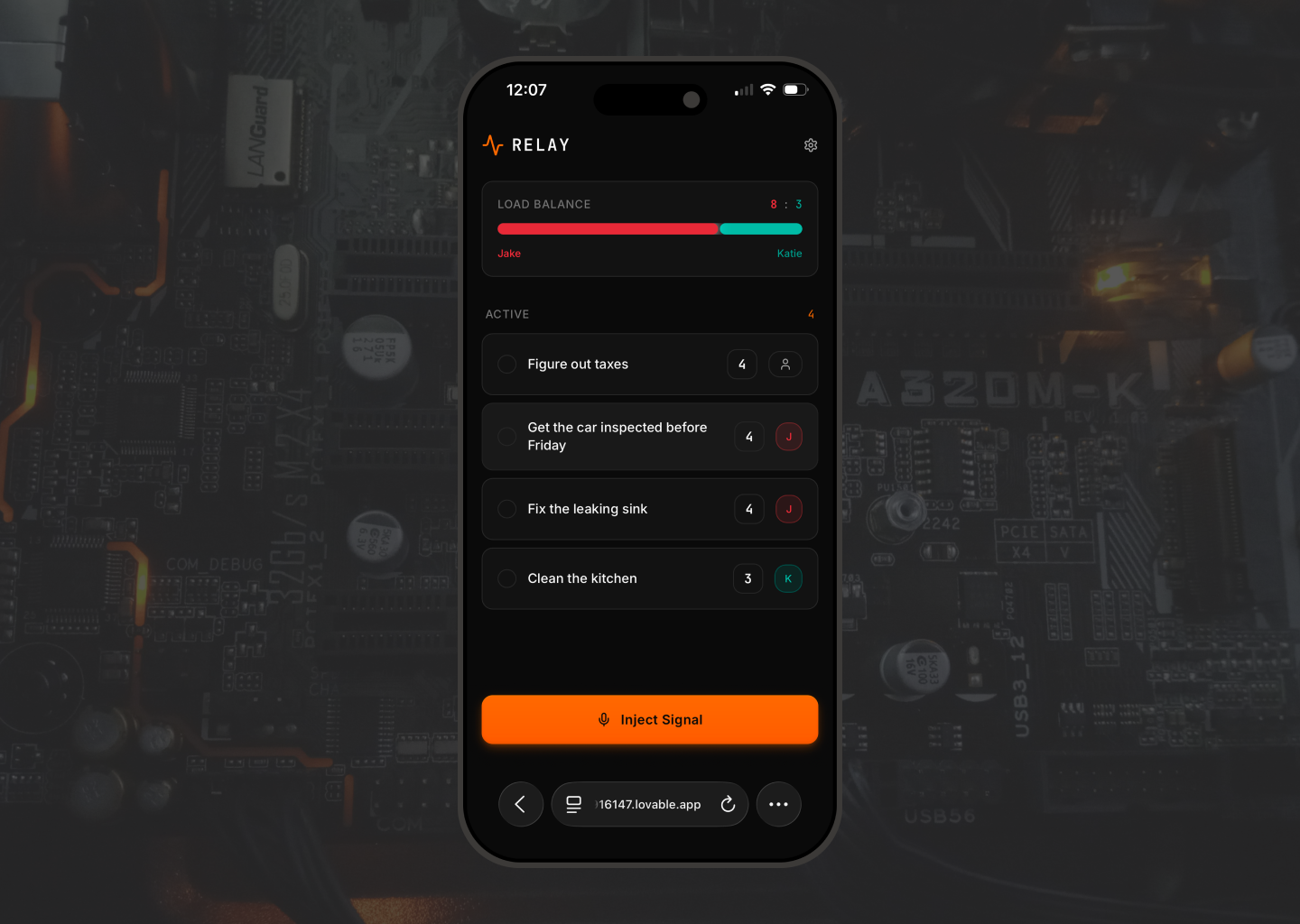
AI behavior has to hold up when the conversation gets complicated.
I currently work on conversational AI systems where rules, exceptions, escalation paths, and human intervention determine whether an agent is useful in practice. The work involves evaluating what the system should do when the expected path is no longer enough.
The question is not only whether a person is in the loop, but whether they can still change what happens.
When conditions are clear enough for the system to proceed.
When ambiguity, risk, or missing information needs attention.
When a decision requires human judgment or authority.
When the conversation or workflow goes off the expected path.
The right format depends on what needs to get clearer.
I work with teams in the form that best fits the situation: as embedded senior product-design capacity, on a defined product or workflow initiative, or alongside an agency or consultancy that needs additional experience.
Join an existing product team
Ongoing senior design capacity for an initiative already in motion—working with product, engineering, operations, and stakeholders as the work evolves.
Take on a defined product or workflow project
Focused support when a specific product behavior, workflow, or system change needs to be worked through and made ready for the team to build.
Support an agency or consultancy
Additional senior product-design capacity for client work involving complex products, enterprise workflows, or AI-enabled interactions.
Have a product problem that’s difficult to work out?
Tell me what you’re building or changing, what has become difficult to define, and what kind of support you need. We can determine whether there’s a fit.